
|
|
Tweet |
Vegan For Life by Jack Norris, RD & Ginny Messina, MPH, RD |
|
|
|
||||
Bones, Vitamin D, and Calcium
by Jack Norris,RD | Last updated: September 2011
Contents
- Recommendations
- Vitamin D
- Vitamin D3 vs. Vitamin D2
- Vitamin D Supplements and Meals
- Vitamin D2 in UV Treated Mushrooms
- Vitamin D in Fortified Foods
While not found in many foods, vitamin D can be made by the action of sunlight (UV rays) on skin. Since about 2005, there has been a controversy in scientific circles about the ideal levels of vitamin D for preventing disease with some researchers suggesting amounts much higher than those recommended by the Institute of Medicine. Regardless of this debate (of which there are more details below), I have encountered many vegans, often from sunny areas such as southern California, who have had extremely low levels of vitamin D. At least five were suffering from fatigue or bone pain that improved upon vitamin D supplementation.
If you get exposed to the following amounts of midday sun (10 am to 2 pm), without sunscreen, on a day when sunburn is possible (i.e., not winter or cloudy), then you should not need any dietary vitamin D that day:
- Light-skinned: 10 to 15 minutes
- Dark-skinned: 20 minutes
- Elderly: 30 minutes (23)
On all other days, follow these recommendations:
25 mcg (1,000 IU) is more than you can get from fortified foods or multivitamins; amounts that high are only available through vitamin D2-only supplements. Country Life makes one that is commonly available in natural foods stores in the U.S. and is fairly inexpensive. Deva makes one that can be ordered by mail. There is evidence that it can be harder to raise vitamin D levels using vitamin D2, the vegan version of vitamin D, and so we suggest somewhat more than the RDA (as reflected in the table above). More on vitamin D2 vs. D3 below.
Based on research showing that vegans who consumed less than 525 mg per day of calcium had higher bone fracture rates than people who consumed more than 525 mg per day (14), vegans should make sure they get a minimum of 525 mg of calcium per day. It would be best to get 700 mg per day for adults, and at least 1,000 mg for people age 13 to 18 when bones are developing. This can most easily be satisfied for most vegans by eating high-calcium greens on a daily basis and drinking a nondairy milk that is fortified with calcium.
Mild Vitamin D Deficiency and Health Problems
Traditionally, vitamin D recommendations have been based on how much was required to prevent the most obvious diseases of vitamin D deficiency, rickets and osteomalacia. Recently, some research has indicated that higher vitamin D levels might help prevent fibromyalgia, rheumatoid arthritis, multiple sclerosis, upper respiratory tract infections, premenstrual syndrome, polycystic ovary disease, psoriasis, muscle weakness, lower back pain, diabetes, high blood pressure, and cancer (16), and asthma (43). Vitamin D supplementation might also improve mood (16).
Because of these findings, some researchers have suggested that ideal vitamin D levels in the blood should be between 80 to 100 nmol/l (32 to 40 ng/ml) of 25(OH)D (16). In 2011, the Institute of Medicine (IOM) released a report in which they reviewed the scientific literature. They increased the RDA for vitamin D from 400 to 600 IU, but they concluded that optimal vitamin D levels are between 40 and 50 nmol/l (16 and 20 ng/ml) (35).
In a separate paper, members of the IOM committee said (45):
For outcomes beyond bone health, however, including cancer, cardiovascular disease, diabetes, and autoimmune disorders, the evidence was found to be inconsistent and inconclusive as to causality.
A 2010 review in the Journal of the American Dietetic Association came to similar conclusions about vitamin D and cancer prevention (46); i.e., that the data is too inconsistent to draw conclusions.
It should be noted that some researchers do not believe 25(OH)D is the best marker of vitamin D status, and have argued that 1,25(OH)D (aka calcitriol) is better (31). Not all agree, and since most research has used 25(OH)D as the vitamin D measurement, it is on what recommendations here will based and also what the Institute of Medicine uses (35).
Most Americans get vitamin D through sunshine, fortified milk, and fortified margarine. The only significant, natural sources of vitamin D in foods are fatty fish (e.g. cod liver oil, mackerel, salmon, sardines), eggs (if chickens have been fed vitamin D), and mushrooms (if treated with UVB rays) (2). The vegan diet contains little, if any, vitamin D without fortified foods or supplements.
Vitamin D Levels in Vegetarians
| Table 12. Average Vitamin D Levels in EPIC-Oxford36 | ||||
|---|---|---|---|---|
| Diet | nmol/l | |||
| Non-Veg | 76.4 | |||
| Pesco | 74.3 | |||
| Lacto-Ovo | 66.9 | |||
| Vegan | 55.9 | |||
| Adjusted for season and year of blood sample collection and age. | ||||
EPIC-Oxford (2011)
In EPIC-Oxford, lacto-ovo vegetarians had lower levels of vitamin D than did regular meat-eaters and pesco-vegetarians. Vegans had lower levels than lacto-ovo vegetarians. See Table 12. The differences between the diet groups were statistically significant. However, the vegans' levels of 55.9 nmol/l were not deficient according to the normal level suggested by the Institute of Medicine of 40 - 50 nmol/l.
Adventist Health Study-2 (2009)
Despite low intakes of vitamin D by vegetarians, Adventist Health Study-2 (AHS2) showed no difference in vitamin D levels between vegetarians and non-vegetarians among people aged 51 to 70 years living in the United States. See Table 11. About 4% of the vegetarians were vegan. Once again, on average, the vegetarians' vitamin D levels were adequate.
The study showed that dietary vitamin D intake was a minor factor in someone's vitamin D status at the levels that vitamin D is normally found in the diet. All groups got between 119 and 165 IU of vitamin D per day (the DRI is 600 IU) from their diet.
| Table 11. Average Vitamin D Levels in Adventist Health Study-221 | ||||
|---|---|---|---|---|
| Diet | Whites (nmol/l) | Blacks (nmol/l) | ||
| Non-Veg | 78.6 | 51.5 | ||
| Partial Vegb | 77.3 | 52.6 | ||
| Vegetariana | 76.8 | 48.7 | ||
| aIncluded lacto-ovo-vegetarians and vegans. | bIncluded semivegetarians (ate meat and fish < 1 time/wk) and pesco-vegetarians (ate meat < 1 time/mo, and fish > 1 time/mo). | ||||
The variable causing the greatest difference in 25(OH)D concentrations was not diet, but ethnicity. This is likely due to people with dark skin needing much longer amounts of time in the sun to produce adequate vitamin D.
For many years, people thought that extra amounts of vitamin D made by the sun during the summer could be stored in the body and used during the winter. But it is important to remember that these days many of us go from our house, to our car, to our office building, back to our car, back to our house; and the few times we are in the sun, we are wearing sunscreen. This could explain some of the extremely low vitamin D levels in some vegans.
On average, it appears that most people, including vegans, are sustaining vitamin D levels over the winter that the IOM considers healthy. In some cases, they are not.
For example, a dose of 200 IU (5 mcg) per day was required to keep vitamin D levels above 40 nmol/l (16 ng/ml) in Ireland during the winter (27).
In a 2000 experiment, vegans in Finland were not able to maintain healthy levels of vitamin D during the winter (8). A follow-up study found an increase in lumbar spine density in 4 out of the 5 vegans who took 5 mcg (200 IU) per day of vitamin D2 for 11 months (3).
It should be noted that the American Academy of Dermatology urges people not to get vitamin D via sunshine because of the increased risk of cancer (38). That said, not all researchers recommend complete avoidance of the sun.
According to Dr. Jacqueline Chan, increasing the surface of the skin exposed to the sun proportionately decreases the amount of time needed in the sun to produce the same amount of vitamin D. The duration of the sun exposure should be no more than about half the amount of time it takes for the skin to turn pink (38). Dr. Chan also says that in order to make vitamin D, "The sun must shine directly on skin without being blocked by sunscreen, glass and most plastics. Glass and most plastics block UVB, the part of the spectrum that converts pro-vitamin D3 but allow passage of UVA which contributes to skin cancer." (38)
An article in USA Today, Your Health: Skin color matters in the vitamin D debate (updated 4/19/2009), quotes vitamin D researcher Dr. Michael Holick as saying:
"Though someone in Boston with pale skin can get adequate vitamin D by exposing their arms and legs to the sun for 10 to 15 minutes twice a week in the summer, someone with the darkest skin might need two hours of exposure each time[.]"
This was the most specific statement I could find by a vitamin D researcher on how much sun a dark-skinned person needs to produce adequate vitamin D. As Holick notes in the article, this much sun is impractical and could cause skin cancer. While dark-skinned people have lower rates of skin cancer than whites, they are more likely to get diagnosed past the time that the cancer can be cured.
It is probably best for dark-skinned people to rely on vitamin D supplements rather than exposing themselves to the sun for more than a few minutes at a time. Monitoring vitamin D levels, if possible, would be ideal for knowing if supplements are needed.
Elderly people need 30 minutes a day of direct sunlight in order to produce adequate vitamin D (23).
A 2009 study from Ireland of people aged 64 years or older showed that 5 mcg (200 IU) per day was needed to keep most of the participants' vitamin D levels above 40 nmol/l (16 ng/ml) over the winter (based on the lower standard deviation; 22).
The abstract of a 1982 study indicates that a daily dose of 11.2 µg (450 IU) of vitamin D2 was able to increase vitamin D levels in elderly subjects (24)
Some tanning beds can produce vitamin D with the type of UV rays they emit, but most do not. Experts generally recommend against using tanning beds to produces vitamin D because of their inefficiency and an increased risk of skin cancer. Click here for more information on tanning beds, vitamin D, and skin cancer.
The Vitamin D Council has partnered with ZRT Labs to make a discounted take-home vitamin D test kit available (for $65 as of April 2010).
There are two types of vitamin D:
- Vitamin D3 - cholecalciferol; is derived from animals (usually from
sheep's wool or fish oil).
(Click here for information about companies who claim to sell vegan vitamin D3.) - Vitamin D2 - ergocalciferol; is vegan and usually obtained from yeast (18).
Dr. Jacqueline Chan sums up the studies on vitamin D2 vs. D3, "Treatment for most of the studies finding D2 to be less effective than D3 were extremely large boluses given only once, whereas in studies finding them equally effective, the treatment was daily amounts between 400 and 2,000 IU (38)." More recently, a study was published in which large boluses were given repeatedly, on a weekly basis, and D3 increased vitamin D levels more than did D2 (25). Details on this study are provided below, and it does not change my view that vitamin D2 taken consistently should be adequate for most people.
Some vegans, who were vitamin D deficient, have had a hard time raising their vitamin D levels using D2, but many have succeeded. For example, in June 2010, a vegan who had been diagnosed with vitamin D deficiency wrote me saying that his weekly 50,000 IU of Vitamin D2, prescribed by his doctor for 12 weeks, succeeded in raising his vitamin D levels from 32.5 nmol/l (13 ng/ml) on Jan 27 to 180 nmol/l (72 ng/ml) on May 4. For long-term maintenance, his doctor recommended 1200 IU per day. I heard from another person in December 2010 who raised her levels from 30 to 67 nmol/l (8.1 to 27 ng/ml) with 4,000 IU of vitamin D2 per day for 2 months.
Skip list of studies on vitamin D2 vs D3.
In a 2004 study by Armas et al. (17), subjects were given one dose of 50,000 IU of vitamin D2 or vitamin D3. Vitamin D2 was absorbed just as well as vitamin D3. However, after three days, blood levels of 25(OH)D started dropping rapidly in the subjects who were given vitamin D2, whereas those who received vitamin D3 sustained high levels for two weeks before dropping gradually.
Similarly, a 2011 study by Heaney found that a weekly dose of 55,000 IU of vitamin D3 raised vitamin D levels significantly better than did a weekly dose of 48,000 IU of vitamin D2 (25). The differences in the amounts given were not enough to explain the discrepancy between the increases in vitamin D3. However, some things should be noted. 25(OH)D levels for the D2 group started out at 76.5 nmol/l (30.6 ng/ml), while those in the D3 group started out with levels at 65.0 nmol/l (26.0 ng/ml). In other words, both groups were already replete (according to the Institute of Medicine). The 25(OH)D levels in the D2 group increased to about 130 nmol/l (50 ng/ml) over the course of the study. Finally, two of the authors have financial ties to BTR Group, Inc., a manufacturer of Maximum D3. That is not to say that any data was fudged, just that financial ties can possibly bias one's perspectives.
Trang et al. (19) (1998) found that a daily dose of 4,000 IU of vitamin D3 for two weeks was 1.7 times more effective in raising 25(OH)D levels (which increased 22.5 ± 5 nmol/l (9.0 ± 2 ng/ml)) than 4,000 IU of vitamin D2 (which increased levels 10.5 ± 5 nmol/l (4.2 ± 2 ng/ml)).
Holick et al. (18) (2007) found that a daily dose of 1,000 IU of vitamin D2 over 11 weeks increased 25(OH)D levels from 42 to 67 nmol/l (16.9 to 26.8 ng/ml). Vitamin D3 increased levels similarly, from 49 to 72 nmol/l (19.6 to 28.9 ng/ml). It took 6 weeks for 25(OH)D levels to plateau on that regimen. The study was conducted in Boston and started in February.
Glendenning et al. (39) (2009) compared 1,000 IU of D2 vs. D3 in people with vitamin D insufficiency who had hip fractures. After three months, those who supplemented with D3 had a 31% or 52% (depending on how they were measured) greater increase in 25(OH)D levels than those supplementing with D2. However, parathyroid hormone levels (which can cause bone loss) did not differ between groups, leading the researchers to question whether the difference in 25(OH)D levels were of biological importance.
Gordon et al. (40) (2008), treated 40 infants and toddlers with vitamin D deficiency. Each were assigned to one of three 6-week regimens: 2,000 IU oral vitamin D2 daily, 50,000 IU vitamin D2 weekly, or 2,000 IU vitamin D3 daily. At the end of the trial, participants' 25(OH)D levels went from an average of 42.5 to 90 nmol/l (17 to 36 ng/ml), and there were no significant differences between treatment groups.
Thatcher et al. (41) (2009) gave children with rickets one oral dose of 50,000 IU of vitamin D2 or D3. After three days, 25(OH)D levels rose from approximately 50 to 72 nmol/l (20 to 29 ng/ml) for both groups. Calcitriol (the actual vitamin D hormone) levels also increased similarly in both groups (by about 70%), however, calcium absorption did not increase, leading the researchers to conclude the rickets were not caused by vitamin D deficiency. This should not be a surprise since the baseline average level of 50 nmol/l (20 ng/ml) of 25(OH)D should be adequate to prevent rickets.
Biancuzzo et al. (42) (2010) tested changes in 25(OH)D from a daily dose of 1,000 IU of vitamin D2 or D3 from either orange juice or supplement capsules for 11 weeks at the end of winter. The placebo group received nothing and their 25(OH)D levels decreased slightly. The average 25(OH)D levels of the other four groups (D2 from orange juice, D2 from capsules, D3 from orange juice, D3 from capsules) went up about 25 nmol/l (10 ng/ml) with no significant differences between groups.
Vitamin D Supplements and Meals
Because vitamin D is a fat soluble vitamin, taking vitamin D supplements with foods that contain fat might increase absorption.
A 2010 study explored this (50). A group of people diagnosed with vitamin D deficiency had been prescribed supplements (some D2 and some D3) and were being monitored by the Cleveland Clinic Foundation Bone Clinic. Some of these patients' vitamin D levels had not increased to desired levels. Patients with stubborn vitamin D levels were then instructed to take the vitamin D with meals. After 2 to 3 months of taking with meals, the average vitamin D level went from 30 to 47 ng/ml (75 to 117 nmol/l).
This study had no control group, so it is not clear that the vitamin D levels increased due to taking with meals. It could have been simply because their levels took longer to respond to supplements or because they were exposed to more sunlight during the meal period (the time of year studied was not reported). It should also be noted that even though these subjects' vitamin D levels were more stubborn than other patients, their levels at the beginning of the study were well above those recommended by the Institute of Medicine; the stubborn levels might have been a result of the body regulating vitamin D once it had reached an ideal level rather than an inability to absorb it.
Vitamin D2 in UV Treated Mushrooms
Some food manufacturers have recently succeeded in creating large amounts of vitamin D2 in mushrooms by exposing them to UVB rays. This abstract shows that exposing one serving (84 g) of post-harvest, white button mushrooms to UVB rays for 5 minutes resulted in their having 86.9 µg (3,476 IU) of vitamin D2, which is well above the recommended daily intake (37).
- The Daily Value for vitamin D is 10 mcg (400 IU). Therefore, if a food label says it has 25% of the daily value, it means it has 2.5 mcg (100 IU) per serving.
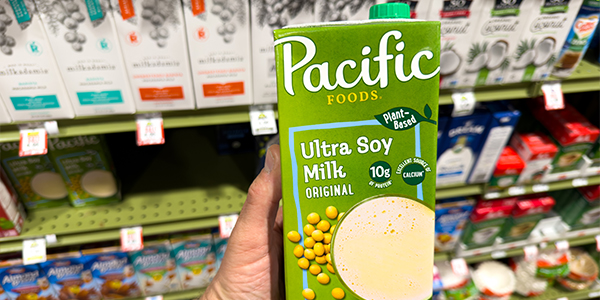
- Vitamin D fortified soy, almond, or rice milk normally has 2-3 mcg (80-120 IU) per cup.
Bones, Calcium, and Vegan Diets: Why All the fuss?
Americans are constantly being urged to consume more calcium in order to prevent osteoporosis. It is practically impossible to meet the recommendations without large amounts of cows' milk, calcium-fortified foods, or supplements.
Enter vegan diets. Because vegans do not eat dairy products, their calcium intakes tend to be low. The Dietitian's Guide to Vegetarian Diets (2004) lists 45 studies that have surveyed vegetarians' calcium intakes in Appendix G. The daily calcium intakes in these studies tended to be about:
- Vegans: 500 - 600 mg
- Lacto-ovo vegetarians: 800 - 900 mg
- Non-vegetarians: 1,000 mg
Only one study included supplements. In it, daily calcium intakes were: 840 mg (vegan males), 720 mg (non-vegetarian males), 710 mg (vegan females), and 855 mg (non-vegetarian females).
The U.S. Dietary Reference Intakes (DRI) for calcium are listed in Table 4.
| Table 4. U.S. DRI for Calcium | ||||
|---|---|---|---|---|
| Age | US DRI (mg) |
|||
| 0 - 6 mos | 200 | |||
| 6 - 12 mos | 260 | |||
| 1 - 3 yrs | 700 | |||
| 4 - 8 yrs | 1000 | |||
| 9 - 18 yrs | 1300 | |||
| 19 - 50 yrs | 1000 | |||
| 51 - 70 yrs (male) | 1000 | |||
| 51 - 70 yrs (female) | 1200 | |||
| over 70 | 1200 | |||
| 14 - 18 pregnant/lactating | 1300 | |||
| 19 - 50 pregnant/lactating | 1000 | |||
The calcium intake of vegans tends to be quite a bit lower than lacto-ovo vegetarians, non-vegetarians, and the U.S. DRI. Traditionally, the vegan community has responded to this fact by saying osteoporosis is a disease of calcium loss from the bones, not a lack of calcium intake in the diet.
The theory is that animal protein causes calcium to be released from the bones (to neutralize the acidity of the protein) and excreted from the kidneys, and that not only does dairy not protect against osteoporosis, it actually contributes to it. Therefore, calcium intake isn't important for preventing osteoporosis and vegans are protected due to the lack of animal protein in our diet.
In the last twenty years or so, there has been some evidence to support this theory and some evidence that contradicts it. Since the late 1990s, Vegan Outreach has cautioned vegans that the jury was still out on these issues and that vegans should try to meet the U.S. recommended intakes for calcium. Recently, evidence has been mounting that vegans need closer to the U.S. recommendations for calcium.
Genetics may play a strong role in osteoporosis. Possibly related, estrogen levels in women play a role. Among factors that can be controlled by lifestyle and diet, there has traditionally been evidence for the following:
Helps prevent:
- Weight-bearing exercise throughout one's lifetime.
- Higher body weight (not recommended because of other diseases).
- Adequate intake of calcium, vitamin D, vitamin K, phosphate, potassium, magnesium, and boron.
Contributes to:
- High sodium and caffeine intake.
- Smoking.
- Excessive amounts of, or too little, protein.
- Excessive vitamin A (retinol, not beta-carotene).
Let's look more closely at some of these dietary factors: calcium, vitamin D, and protein.
Calcium is important because it is a major component of bones, which are constantly being broken down and reformed. Vitamin D regulates calcium absorption and excretion, especially when calcium intake is low.
Calcium is a component of bones, but is more immediately needed in the blood to keep muscles, such as the heart, contracting efficiently. The body preserves blood calcium levels at the expense of bone calcium.
When calcium levels in the blood drop, parathyroid hormone (PTH) is released. PTH causes calcium to be released from the bones, thus raising the low calcium levels in the blood. Osteoporosis may result from chronically high levels of PTH.
Vitamin D is the building block of the hormone calcitriol which works synergistically with PTH. Vitamin D is modified by the liver to become 25-hydroxyvitamin D (also known as 25(OH)D). 25(0H)D is then modified in the kidneys to become calcitriol. This conversion is somewhat regulated by PTH levels (4).
Calcitriol increases absorption of calcium and phosphorus (another major component of bones) from the intestines and decreases their excretion in the urine. In so doing, calcium levels in the blood rise and PTH levels drop. How the body regulates the processes of conversion of vitamin D into calcitriol and the resulting net increase or decrease of bone calcium are not fully known.
What Is More Important, Calcium or Vitamin D?
Most Americans seem to be getting enough calcium, whereas vitamin D is a bigger concern. A 2003 report from the Nurses Health Study showed vitamin D to be more important than calcium intake for preventing hip fractures in postmenopausal women (5). In 2007, a meta-analysis of prospective studies and randomized controlled trials found that calcium intake and calcium supplements were not associated with a lower risk for hip fractures (15).
In addition to people being more likely to be deficient in vitamin D than calcium, vitamin D also appears to be more important for bones in conjunction with lower calcium intakes (typical in most vegan diets) than in diets that have large amounts of calcium (5).
As mentioned above, there is a theory that protein, especially through the sulfur-containing amino acids, increases the renal acid load, causing calcium to be excreted in the urine. Sulfur-containing amino acids are more prevalent in animal products, although they are also found in high amounts in many grains. But although protein causes an increase of calcium excretion in the urine, it is counteracted by increased absorption from the digestive tract (29).
An interesting article on the subject is Dietary Protein and Calcium: Are They Friends or Foes?, from the Summer 2004 issue of The Soy Connection. The article concludes:
Recent evidence has demonstrated that increased intake of common proteins does not necessarily affect bone health adversely. The composition of the protein source as well as co-existing factors in the total diet determines the renal acid load. In healthy individuals consuming high protein foods, in the context of typical mixed diets, the renal acid load does not seem to reach a "threshold" that affects calcium homeostasis.
A meta-analysis looking at protein intake and bone health was published in December 2009 in the American Journal of Clinical Nutrition (33). It included seven cohort studies that looked at protein intake and fracture risk and concluded:
Overall, the weight of the evidence shows that the effect of dietary protein on the skeleton appears to be favorable to a small extent or, at least, is not detrimental. However, the long-term clinical importance of the effect is unclear, and a reduction in fracture risk was not seen. More research is required to resolve the protein debate. In the meantime the protein intakes and balance of different protein sources as indicated in the current healthy eating guidelines represent appropriate dietary advice.
More excerpts from the above study can be found at JackNorrisRD.com.
Another 2009 meta-analysis found that among five well-designed studies measuring calcium balance, net acid excretion was not associated with either decreased calcium balance or a marker of bone deterioration (48).
While it still seems possible that eating two or more times the RDA for protein might increase the risk of osteoporosis, the research below indicates that in typical free-living populations, animal protein is not a significant problem for the bone health of meat-eaters or lacto-ovo vegetarians.
Bone Mineral Density
A number of small, cross-sectional studies have shown vegans to have the same or slightly lower bone mineral density as non-vegans (9-12, 13, 30). These studies were done on vegans who might not have gotten much vitamin D and probably did not make an effort to get the recommended amount of calcium in their diet.
In 2009, researchers from Vietnam and Australia did a meta-analysis looking at the bone mineral density of vegetarians (32). They concluded that "[T]here is a modest effect of vegetarian diets, particularly a vegan diet, on [bone mineral density], but the effect size is unlikely to result in a clinically important increase in fracture risk."
EPIC-Oxford (2007)
In February of 2007, the first study looking at vegan bone fracture rates was released (14). The EPIC-Oxford study recruited 57,000 participants, including over 1,000 vegans and almost 10,000 lacto-ovo vegetarians, from 1993 to 2000. They were asked to fill out a questionnaire to measure what they ate. About 5 years after entering the study, they were sent a follow-up questionnaire asking if they had suffered any bone fractures.
After adjusting for age alone, the vegans had a 37% higher fracture rate than meat-eaters. After adjusting for age, smoking, alcohol consumption, body mass, physical activity, marital status, births, and hormone replacement, the vegans still had a 30% higher fracture rate. Meat-eaters, fish-eaters, and lacto-ovo fracture rates did not differ in any of the analyses performed.
Yet, there was some good news from this study. When the results were adjusted for calcium intake, the vegans no longer had a higher fracture rate. And among the subjects who got 525 mg of calcium a day (only 55% of the vegans compared to about 95% of the other diet groups), vegans had the same fracture rates as the other diet groups.
The authors noted that fracture rates did not correlate with protein or vitamin D intake among the people in this study. A separate analysis in EPIC-Oxford (20) showed that, among all participants (regardless of diet group), calcium intake was related to an increased fracture risk in women (relative risk 1.75 (1.33-2.29) for < 525 mg/day compared to > 1200 mg/day), but not in men.
In 2011, a follow-up (49) of an earlier study on vegan Buddhist nuns (30) was released. After two years, the vertebrae of 88 vegans and 93 omnivores were examined using x-rays. Ten women (five vegans and five omnivores) had sustained a new vertebral fracture after two years; there was no significant difference between the two groups.
Rates of bone mineral density (BMD) change were examined at the lumbar spine and femoral neck with a variety of associations found. Lumbar BMD increased with age, lean body mass, and vegetable fat; and decreased with vegetable protein and steroid use. The authors suggested that the increase in BMD of the lumbar spine was possibly due to osteoarthritis and, therefore, not a healthy phenomena.
As for the femoral neck, BMD increased with both lean and fat body mass; and decreased with age, animal fat, and ratio of animal protein to vegetable protein. This would indicate that animal protein had a negative impact on bone. To make this even a bit more complicated, the food questionnaires used by the researchers indicated that the vegans were only eating an average of 1,093 calories, 36 g of protein, and 360 mg of calcium per day. The estimated energy requirement for women their age and size is about 1,600 calories which indicates that the food intake of the vegans was possibly underestimated by one-third. The non-vegan nuns had intakes of 1,429 calories, 62 g of protein, and 590 mg of calcium per day which seems more likely.
In summary, compared to non-vegetarian Buddhist nuns, vegan nuns had a similar rate of vertebral fractures, but it is not clear how accurate were the associations with changes in BMD.
Conclusion on Calcium and Vegan Diets
The US recommended intake for calcium is 1,000 mg for most adults. The UK's recommended intake is 700 mg. Given the results of the EPIC-Oxford study on vegan fracture rates, it is prudent to get 700 mg per day. For the average vegan, this probably means drinking one glass of fortified soymilk each day, or taking a 250 - 300 mg supplement, in addition to eating an otherwise balanced diet.
| Table 5. Plant Foods High in Calcium | ||
|---|---|---|
| Food | Serving | Ca (mg) |
| cow's milk (for comparison) | 1 C | 300 |
| typical calcium supplement | 1 tablet | 300-500 |
| soymilk, fortifiedb | 1 C | 200-300 |
| tofu (if 'calcium-set') | 1/2 C | 120-300 |
| orange juice, fortifiedb | 1 C | 250 |
| blackstrap molasses | 1 T | 187 |
| sesame seeds | 2 T | 176 |
| collard greensa | 1/2 C | 133 |
| veg baked bean | 1 C | 128 |
| navy beans | 1 C | 128 |
| kalea | 1/2 C | 90 |
| tahini | 1 T | 64 |
| broccolia | 1/2 C | 50 |
| almonds | 2 T | 50 |
| aCooked | bRead the label for calcium amounts | T - tablespoon | ||
- Many non-dairy milks are now fortified with calcium, vitamin D, and/or vitamin B12. Many orange juices are fortified with calcium.
- Shake calcium fortified non-dairy milks before pouring as the calcium can settle to the bottom.
- The calcium in kale, broccoli, collard greens, mustard greens, turnip greens, bok choy and soymilk is all absorbed well.
- The calcium in spinach, Swiss chard, and beet greens is not well absorbed, due to their high content of oxalates, which bind calcium.
- Calcium supplements can inhibit iron absorption if eaten at the same time. (4).
- In addition to the calcium in the leafy greens listed on the right, leafy greens also contain vitamin K, which is good for bones.
- The Daily Value for calcium on food labels is 1,000 mg. Therefore, if a food label says it has 25% of the daily value, it means it has 250 mg of calcium per serving.
Vitamin B12 and Bone Mineral Density
Taking vitamin B12 might also be important for bone mineral density.
A 2009 cross-sectional study from Slovakia compared lacto-ovo vegetarian women to omnivores. They found that the vegetarians' higher homocysteine (16.5 vs. 12.5 µmol/l; 78% vs. 45% were elevated) and lower vitamin B12 levels (246 vs. 302 pmol/l; 47% vs. 28% were deficient) were associated with significantly lower bone mineral density in the femur (34). Participants were not allowed to have been taking vitamin or mineral supplements. The researchers did not measure calcium intake or vitamin D status.
You can read more about vitamin B12 and homocysteine here.
1. Wardlaw GM. Perspectives in Nutrition, 4(th) Ed. Boston, MA: McGraw-Hill; 1999.
2. Vitamin D. Vegetarian Nutrition & Health Letter Loma Linda University School of Public Health. 2001;4(5):1-5.
3. Outila TA, Lamberg-Allardt CJ. Ergocalciferol supplementation may positively affect lumbar spine bone mineral density of vegans. J Am Diet Assoc 2000 Jun;100(6):629.
4. Groff J, Gropper S. Advanced Nutrition and Human Metabolism, 3rd ed. Wadsworth: 2000.
5. Feskanich D, Willett WC, Colditz GA. Calcium, vitamin D, milk consumption, and hip fractures: a prospective study among postmenopausal women. Am J Clin Nutr. 2003 Feb;77(2):504-11.
6. Statistically significant means that the finding had at least a 95% likelihood of not being due to random chance. At least 95% is the level necessary to be considered a true association.
8. Outila TA, Karkkainen MU, Seppanen RH, Lamberg-Allardt CJ. Dietary intake of vitamin D in premenopausal, healthy vegans was insufficient to maintain concentrations of serum 25-hydroxyvitamin D and intact parathyroid hormone within normal ranges during the winter in Finland. J Am Diet Assoc. 2000 Apr;100(4):434-41.
9. Barr SI, Prior JC, Janelle KC, Lentle BC. Spinal bone mineral density in premenopausal vegetarian and nonvegetarian women: cross-sectional and prospective comparisons. J Am Diet Assoc 1998 Jul;98(7):760-5.
10. Hu JF, Zhao XH, Jia JB, Parpia B, Campbell TC. Dietary calcium and bone density among middle-aged and elderly women in China. Am J Clin Nutr 1993 Aug;58(2):219-27.
11. Janelle KC, Barr SI. Nutrient intakes and eating behavior scores of vegetarian and nonvegetarian women. J Am Diet Assoc 1995 Feb;95(2):180-6, 189, quiz 187-8.
12. Lau EM, Kwok T, Woo J, Ho SC. Bone mineral density in Chinese elderly female vegetarians, vegans, lacto-vegetarians and omnivores. Eur J Clin Nutr 1998 Jan;52(1):60-4.
13. Parsons TJ, van Dusseldorp M, van der Vliet M, van de Werken K, Schaafsma G, van Staveren WA. Reduced bone mass in Dutch adolescents fed a macrobiotic diet in early life. J Bone Miner Res 1997 Sep;12(9):1486-94.
14. Appleby P, Roddam A, Allen N, Key T. Comparative fracture risk in vegetarians and nonvegetarians in EPIC-Oxford. Eur J Clin Nutr. 2007 Dec;61(12):1400-6. Epub 2007 Feb 7.
15. Bischoff-Ferrari HA, Dawson-Hughes B, Baron JA, Burckhardt P, Li R, Spiegelman D, Specker B, Orav JE, Wong JB, Staehelin HB, O'Reilly E, Kiel DP, and Willett WC. Calcium intake and hip fracture risk in men and women: a meta-analysis of prospective cohort studies and randomized controlled trials. Am J of Clin Nutr. 2007 Dec;86( 6): 1780-1790.
16. Schwalfenberg G. Not enough vitamin D: health consequences for Canadians. Can Fam Physician. 2007 May;53(5):841-54.
17. Armas LA, Hollis BW, Heaney RP. Vitamin D2 is much less effective than vitamin D3 in humans. J Clin Endocrinol Metab. 2004 Nov;89(11):5387-91.
18. Holick MF, Biancuzzo RM, Chen TC, Klein EK, Young A, Bibuld D, Reitz R, Salameh W, Ameri A, Tannenbaum AD. Vitamin D2 is as effective as vitamin D3 in maintaining circulating concentrations of 25-hydroxyvitamin D. 2008 Mar;93(3):677-81. Epub 2007 Dec 18.
19. Trang HM, Cole DE, Rubin LA, Pierratos A, Siu S, Vieth R. Evidence that vitamin D3 increases serum 25-hydroxyvitamin D more efficiently than does vitamin D2. Am J Clin Nutr. 1998 Oct;68(4):854-8. (Abstract)
20. Key TJ, Appleby PN, Spencer EA, Roddam AW, Neale RE, Allen NE. Calcium, diet and fracture risk: a prospective study of 1898 incident fractures among 34 696 British women and men. Public Health Nutr. 2007 Nov;10(11):1314-20.
21. Chan J, Jaceldo-Siegl K, Fraser GE. Serum 25-hydroxyvitamin D status of vegetarians, partial vegetarians, and nonvegetarians: the Adventist Health Study-2. Am J Clin Nutr. 2009 May;89(5):1686S-1692S. Epub 2009 Apr 1.
22. Cashman KD, Wallace JM, Horigan G, Hill TR, Barnes MS, Lucey AJ, Bonham MP, Taylor N, Duffy EM, Seamans K, Muldowney S, Fitzgerald AP, Flynn A, Strain JJ, Kiely M. Estimation of the dietary requirement for vitamin D in free-living adults >=64 y of age. Am J Clin Nutr. 2009 May;89(5):1366-74.
23. Reid IR, Gallagher DJ, Bosworth J. Prophylaxis against vitamin D deficiency in the elderly by regular sunlight exposure. Age Ageing. 1986 Jan;15(1):35-40. (Abstract only.)
24. Toss G, Andersson R, Diffey BL, Fall PA, Larko O, Larsson L. Oral vitamin D and ultraviolet radiation for the prevention of vitamin D deficiency in the elderly. Acta Med Scand. 1982;212(3):157-61. (Abstract only.)
25. Heaney RP, Recker RR, Grote J, Horst RL, Armas LA. Vitamin D(3) is more potent than vitamin D(2) in humans. J Clin Endocrinol Metab. 2011 Mar;96(3):E447-52. Link
26. Smith SM, Gardner KK, Locke J, Zwart SR. Vitamin D supplementation during Antarctic winter. Am J Clin Nutr. 2009 Apr;89(4):1092-8. Epub 2009 Feb 18.
27. Cashman KD, Hill TR, Lucey AJ, Taylor N, Seamans KM, Muldowney S, Fitzgerald AP, Flynn A, Barnes MS, Horigan G, Bonham MP, Duffy EM, Strain JJ, Wallace JM, Kiely M. Estimation of the dietary requirement for vitamin D in healthy adults.Am J Clin Nutr. 2008 Dec;88(6):1535-42.
29. Kerstetter JE, O'Brien KO, Insogna KL. Dietary protein, calcium metabolism, and skeletal homeostasis revisited. Am J Clin Nutr. 2003 Sep;78(3 Suppl):584S-592S. Review.
30. Ho-Pham LT, Nguyen PL, Le TT, Doan TA, Tran NT, Le TA, Nguyen TV. Veganism, bone mineral density, and body composition: a study in Buddhist nuns. Osteoporos Int. 2009 Apr 7. [Epub ahead of print]
31. Marshall TG. Author's reply to correspondence from Drs Grant, Garland, and Boucher. BioEssays 2008 30:510-511.
32. Ho-Pham LT, Nguyen ND, Nguyen TV. Effect of vegetarian diets on bone mineral density: a Bayesian meta-analysis. Am J Clin Nutr. 2009 Jul 1. [Epub ahead of print] PubMed PMID: 19571226.
33. Darling AL, Millward DJ, Torgerson DJ, Hewitt CE, Lanham-New SA. Dietary protein and bone health: a systematic review and meta-analysis. Am J Clin Nutr. 2009 Dec;90(6):1674-92. Epub 2009 Nov 4.
34. Krivosikova Z, Krajcovicova-Kudlackova M, Spustova V, Stefikova K, Valachovicova M, Blazicek P, Nemcova T. The association between high plasma homocysteine levels and lower bone mineral density in Slovak women: the impact of vegetarian diet. Eur J Nutr. 2009 Oct 7.
35. DRI Dietary Reference Intakes Calcium Vitamin D. Committee to Review Dietary Reference Intakes for Vitamin D and Calcium. Food and Nutrition Board. A. Catharine Ross, Christine L. Taylor, Ann L. Yaktine, and Heather B. Del Valle, Editors. Institute Of Medicine of The National Academies. The National Academies Press. Washington, D.C. 2011. Link
36. Crowe FL, Steur M, Allen NE, Appleby PN, Travis RC, Key TJ. Plasma concentrations of 25-hydroxyvitamin D in meat eaters, fish eaters, vegetarians and vegans: results from the EPIC-Oxford study. Public Health Nutr. 2011 Feb;14(2):340-6. Link
37. FDA's Center for Food Safety and Applied Nutrition and the Mushroom Council Collaborate to Optimize the Natural Vitamin D Content of Edible Mushrooms and to Examine their Health Benefits in Different Rodent Models of Innate Immunity. Calvo M, Garthoff LH, Raybourne RB, Kelly C, Lodder S, Feeney MJ, Minor, B, Beyer D, Beelman R, Pecchia J, Paley K, Chikthimmah N, Mattila P.
38. Vitamin D Update for Nutrition Professionals. Chan J. Vegetarian Nutrition. Volume XVIII, Number 1 and 2, 2009:1.
39. Glendenning P, Chew GT, Seymour HM, Gillett MJ, Goldswain PR, Inderjeeth CA, Vasikaran SD, Taranto M, Musk AA, Fraser WD. Serum 25-hydroxyvitamin D levels in vitamin D-insufficient hip fracture patients after supplementation with ergocalciferol and cholecalciferol. Bone. 2009 Nov;45(5):870-5. Epub 2009 Jul 23. (Abstract)
40. Gordon CM, Williams AL, Feldman HA, May J, Sinclair L, Vasquez A, Cox JE. Treatment of hypovitaminosis D in infants and toddlers. J Clin Endocrinol Metab. 2008 Jul;93(7):2716-21. Epub 2008 Apr 15.
41. Thacher TD, Obadofin MO, O'Brien KO, Abrams SA. The effect of vitamin D2 and vitamin D3 on intestinal calcium absorption in Nigerian children with rickets. J Clin Endocrinol Metab. 2009 Sep;94(9):3314-21. Epub 2009 Jun 30.
42. Biancuzzo RM, Young A, Bibuld D, Cai MH, Winter MR, Klein EK, Ameri A, Reitz R, Salameh W, Chen TC, Holick MF. Fortification of orange juice with vitamin D(2) or vitamin D(3) is as effective as an oral supplement in maintaining vitamin D status in adults. Am J Clin Nutr. 2010 Jun;91(6):1621-6. Epub 2010 Apr 28.
43. Urashima M, Segawa T, Okazaki M, Kurihara M, Wada Y, Ida H. Randomized trial of vitamin D supplementation to prevent seasonal influenza A in schoolchildren. Am J Clin Nutr. 2010 May;91(5):1255-60. Epub 2010 Mar 10. Link
44. Holick MF, Chen TC. Vitamin D deficiency: a worldwide problem with health consequences. Am J Clin Nutr. 2008 Apr;87(4):1080S-6S. Review. Link
45. Manson JE, Mayne ST, Clinton SK. Vitamin D and prevention of cancer--ready for prime time? N Engl J Med. 2011 Apr 14;364(15):1385-7. Link
46. Toner CD, Davis CD, Milner JA. The vitamin D and cancer conundrum: aiming at a moving target. J Am Diet Assoc. 2010 Oct;110(10):1492-500. Link
47. The American Academy of Dermatology. Position Statement on Vitamin D. Amended by the Board of Directors December 22, 2010. Link
48. Fenton TR, Lyon AW, Eliasziw M, Tough SC, Hanley DA. Meta-analysis of the effect of the acid-ash hypothesis of osteoporosis on calcium balance. J Bone Miner Res. 2009 Nov;24(11):1835-40. Link
49. Ho-Pham LT, Vu BQ, Lai TQ, Nguyen ND, Nguyen TV. Vegetarianism, bone loss, fracture and vitamin D: a longitudinal study in Asian vegans and non-vegans. Eur J Clin Nutr. 2011 Aug 3. [Epub ahead of print] Link
50. Mulligan GB, Licata A. Taking vitamin D with the largest meal improves absorption and results in higher serum levels of 25-hydroxyvitamin D. J Bone Miner Res. 2010 Apr;25(4):928-30. Link
Also Reviewed
Aloia JF, Patel M, Dimaano R, Li-Ng M, Talwar SA, Mikhail M, Pollack S, Yeh JK. Vitamin D intake to attain a desired serum 25-hydroxyvitamin D concentration. Am J Clin Nutr. 2008 Jun;87(6):1952-8.
Dawson-Hughes B. Racial/ethnic considerations in making recommendations for vitamin D for adult and elderly men and women. Am J Clin Nutr. 2004 Dec;80(6 Suppl):1763S-6S.
Freedman BI, Wagenknecht LE, Hairston KG, Bowden DW, Carr JJ, Hightower RC, Gordon EJ, Xu J, Langefeld CD, Divers J. Vitamin d, adiposity, and calcified atherosclerotic plaque in african-americans. J Clin Endocrinol Metab. 2010 Mar;95(3):1076-83. Epub 2010 Jan 8. (Abstract)
Harris SS. Vitamin D and African Americans. J Nutr. 2006 Apr;136(4):1126-9. PubMed Abstract.
Heaney RP, Davies KM, Chen TC, Holick MF, Barger-Lux MJ. Human serum 25-hydroxycholecalciferol response to extended oral dosing with cholecalciferol. Am J Clin Nutr. 2003 Jan;77(1):204-10.
Houghton LA, Vieth R. The case against ergocalciferol (vitamin D2) as a vitamin supplement. Am J Clin Nutr. 2006 Oct;84(4):694-7.
This paper argued that vitamin D2 should not be used for fortification or supplementation. The authors state:
"Vitamin D2, if given in high enough doses, prevents infantile rickets and is capable of healing adult osteomalacia. However, the inefficiency of vitamin D2 compared with vitamin D3, on a per mole basis, at increasing 25(OH)D is now well documented, and no successful clinical trials to date have shown that vitamin D2 prevents fractures (19 - 21, 47)."
But references 19-21 were not studies looking at whether D2 prevents fractures. They include references 19 (Trang et al.) and 17 (Aramas, et al.) cited above, as well as this study:
Mastaglia SR, Mautalen CA, Parisi MS, Oliveri B. Vitamin D2 dose required to rapidly increase 25OHD levels in osteoporotic women. Eur J Clin Nutr. 2006 May;60(5):681-7.
Their final citation was a book on vitamin D from 1985, and though I'm not certain, I'm skeptical that it includes any studies comparing D2 and D3's affects on bone fractures:
Norman AW, Schaefer K, Grigoleit H-G, Vaamonde J, eds. Vitamin D, chemical, biochemical and clinical update. Berlin, Germany: Walter deGruyter, 1985;3-12
Romagnoli E, Mascia ML, Cipriani C, Fassino V, Mazzei F, D'Erasmo E, Carnevale V, Scillitani A, Minisola S. Short and long-term variations in serum calciotropic hormones after a single very large dose of ergocalciferol (vitamin D2) or cholecalciferol (vitamin D3) in the elderly. J Clin Endocrinol Metab. 2008 Aug;93(8):3015-20. Epub 2008 May 20.


